


1. We were discussing as a group what we would like our project to look like. We decided to keep the cannon part in tact. However, we decided to cut the extra can open to use as the base.
2. We finally decided to set our cannon to 35 degrees. We decided upon this because it was not too high but not too low. The higher we go the more air resistance the ball will face. However, if we go too low the bal will bounce too soon.
3. We expected a lot out of our cannon. We were hoping it would go about 20 feet. However, that was not how it happened. Our cannon just began to burn and the ball did not launch out.
4. If I could do this project again, I would have made the cannon shorter so that more pressure would build up.
5. Our ball shot a total of 0 feet.
6. R= Vo2sin(20)/g is the formula to find the distance your projectile flies in the air which in our case was zero. Our initial velocity was also zero because the cannon never gained any velocity and did not leave the cannon.
Tuesday, February 17, 2009

Thursday, February 12, 2009
History
Pre-1700 cannon I chose this Hand cannon from the Yuan Dynasty. This was used from 1271-1368. The hand cannon was a simple weapon that worked best in close range. This cannon can shoot anywhere from 50 to 200 meters depending on the type of powder used. THe origin of this cannon is still debated about today.
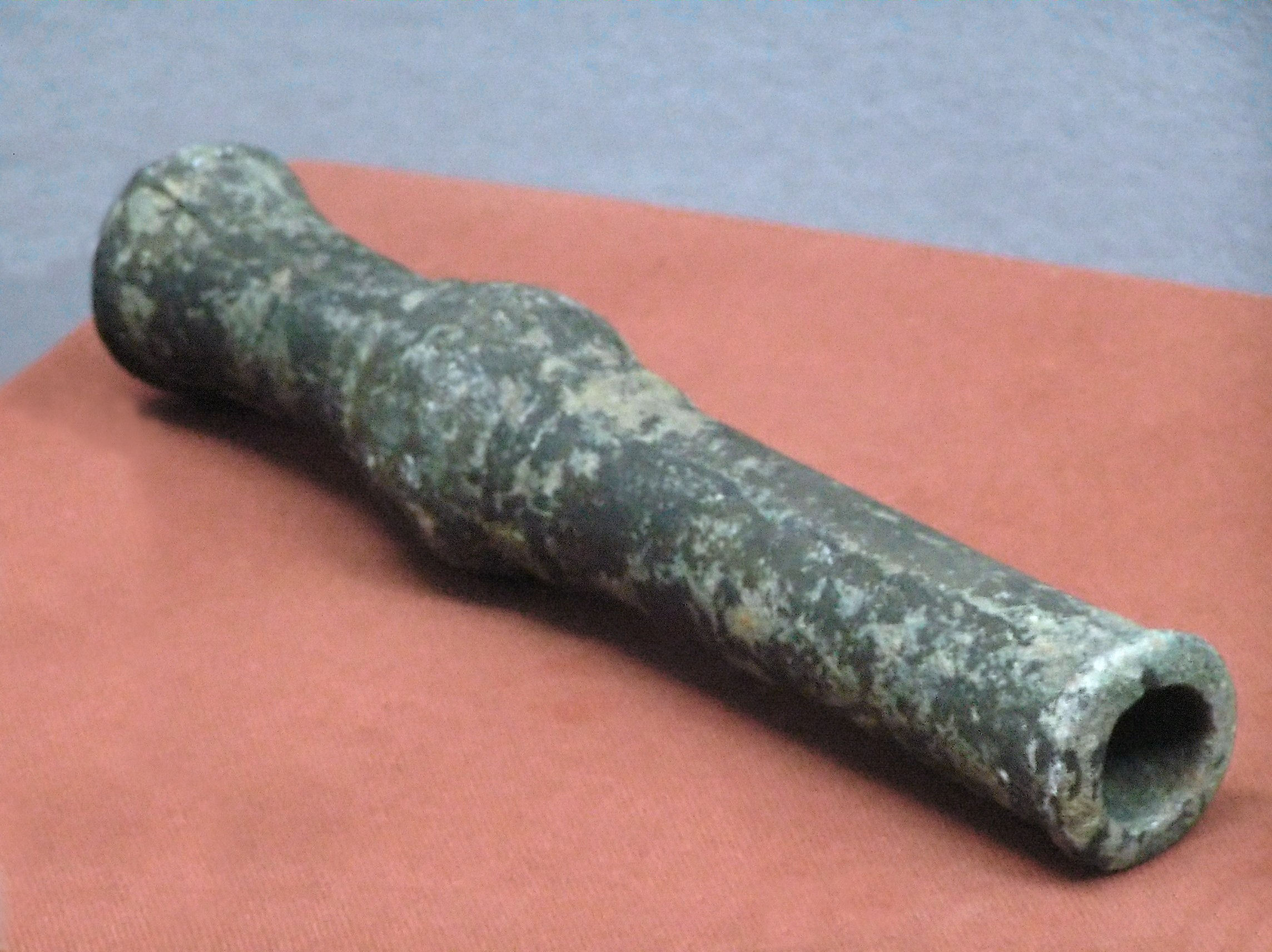 I chose this Hand cannon from the Yuan Dynasty. This was used from 1271-1368. The hand cannon was a simple weapon that worked best in close range. This cannon can shoot anywhere from 50 to 200 meters depending on the type of powder used. THe origin of this cannon is still debated about today.
Wednesday, February 11, 2009
1700-1800 Cannon

I chose this cannon to represent pre-1900s. This cannon was used by the Americans during the civil war. This cannon has an effective range over a mile. This cannon was grealty destructive and no one knows exactly who made it but it was made by the Americas.
Monday, February 2, 2009
1900s-Now

This is a connon the US uses that requires a nine person crew. This cannon is very fast and very accurate. This is used in Iraq today and was developed by the United States.
Subscribe to:
Posts (Atom)


